GlucoRecover Ingredients and Side Effects: What Each of the 22 Label Ingredients Means for You
By the Honest Label Notes Editorial Team · Updated October 2026
Disclosure: this article contains affiliate links. If you buy through them, we may earn a commission at no extra cost to you. It does not change what we write.
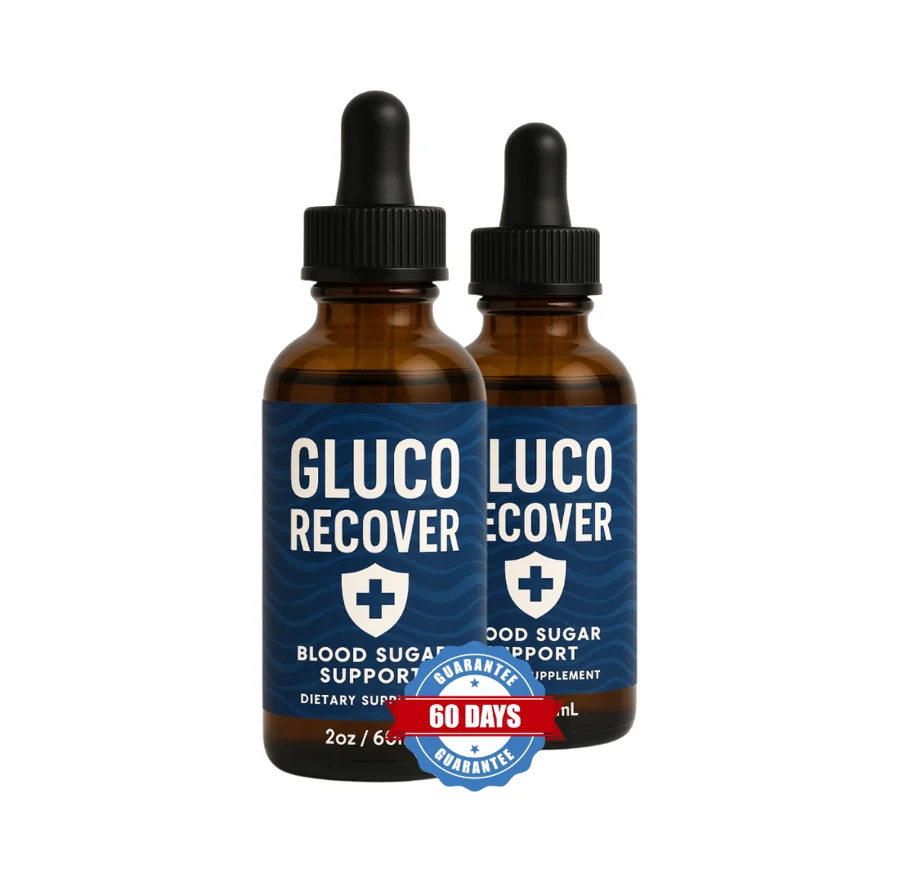
GlucoRecover at a Glance
| Form | Liquid drops, 60 ml bottle; label says 1 mL twice daily (about 30 days per bottle) |
| Core ingredients | Chromium 0.7 mcg + 200 mg blend of 22 (ginseng, gymnema, eleuthero, maca, guarana, licorice and more) |
| Disclosed doses | Only chromium; the 22-ingredient blend has no individual amounts |
| Caffeine | Yes, from guarana and green tea; total not stated |
| Main cautions | Diabetes medicines (risk of lows), blood pressure, blood thinners; xylitol is toxic to dogs |
| Guarantee | 60 days from purchase; RMA by email, return within 14 days at your cost |
If you searched for GlucoRecover ingredients or side effects, you already know the pitch: a few drops a day for steadier blood sugar. This guide sets the pitch aside and works from the Supplement Facts label, one ingredient at a time.
Here is what "honest" means on this page. We read the label and policy pages on glucorecover.com and compared each ingredient with independent sources: the NIH Office of Dietary Supplements, NCCIH, MedlinePlus and LiverTox. We did not take GlucoRecover, we do not rate it, and nothing here is a customer story. Where the brand does not state something, we say so. For price and refunds in more depth, see our full GlucoRecover review.
GlucoRecover is a dietary supplement, not a medicine, and no replacement for diabetes care. If you take glucose-lowering drugs, read the interactions section first.
→ View the GlucoRecover label and current bundles on the official website
The Full GlucoRecover Label
GlucoRecover is a liquid in a 60 ml (2 fl oz) dropper bottle. The serving is 1 mL, with 60 per bottle, and adults take 1 mL twice daily, so a bottle lasts about 30 days. Each serving lists:
- Chromium (as chromium picolinate): 0.7 mcg, 2% of the Daily Value
- Proprietary Herbal Blend, 200 mg, with no individual amounts: maca root, grape seed, guarana seed, African mango fruit, eleuthero root, astragalus root, green tea leaf, gymnema leaf, Coleus forskohlii root, bird pepper (capsicum) fruit, grapefruit seed, Asian ginseng (Panax ginseng) root, raspberry ketones, L-glutamine, L-tyrosine, L-arginine, beta-alanine, monoammonium glycyrrhizinate (from licorice), GABA, L-ornithine HCl, L-tryptophan and L-carnitine
- Other ingredients: deionized water, organic citrus extract, natural flavors, stevia (steviol glycosides) and xylitol
- Label cautions: do not exceed the dose; not for under-18s or pregnant or nursing women; consult a physician first
That is the same 22-ingredient list, in the same order, as the Sugar Defender label, with the same serving and other ingredients. The difference is the dose: 1 mL a day there, 1 mL twice a day here. We do not know whether one company makes both. Our GlucoRecover vs Sugar Defender comparison covers that overlap in detail.
What 200 mg Shared by 22 Ingredients Really Means
A proprietary blend lists ingredients without saying how much of each is inside. Only the total is fixed: 200 mg per serving, shared by 22 ingredients, a rough average of under 10 mg each (about 18 mg a day at two servings). The real split is almost certainly uneven, so some ingredients may be present in far smaller amounts.
Human studies of these ingredients usually test hundreds of milligrams, or grams for amino acids. So research cited for ginseng or gymnema used amounts this label cannot confirm. The upside: small doses usually mean milder side effects. The downside: you cannot tell how much caffeine you get.
GlucoRecover Ingredients, One by One
Chromium (as Chromium Picolinate)
What it is: an essential trace mineral that appears to help insulin do its job. Research: the NIH Office of Dietary Supplements calls glucose trials inconsistent, and a 2016 Nutrition Reviews paper found limited evidence in type 2 diabetes. Trials typically used 200 to 1,000 mcg a day. GlucoRecover provides 1.4 mcg a day at the labeled dose. Safety: very unlikely to cause problems at this amount.
Panax Ginseng (Asian Ginseng) Root
What it is: the root of an herb long used in East Asian traditional practice. Research: the best-studied botanical here for glucose. A 2014 meta-analysis (Shishtar et al., PLoS One) found a modest drop in fasting blood glucose but no clear change in A1C or insulin. NCCIH calls the overall evidence limited. Safety: trouble sleeping is the most common complaint. It may add to diabetes medication, and NCCIH notes it may interact with the blood thinner warfarin.
Gymnema Sylvestre Leaf
What it is: a climbing plant from India whose leaves briefly block the taste of sweetness on the tongue, hence its nickname "sugar destroyer". Research: small, older human studies reported better glucose markers, but they were short, often unblinded, and used a few hundred milligrams. Large controlled trials are missing. Safety: mild stomach upset is possible, it may add to the effect of diabetes medicines, and the NIH LiverTox database lists rare reports of liver injury linked to gymnema products.
Eleuthero (Eleutherococcus senticosus) Root
What it is: a shrub sold as "Siberian ginseng", though it is not true ginseng; marketed as an adaptogen for fatigue. Research: human studies are small and focus on fatigue and exercise, with mixed results; there is no solid evidence for blood sugar. Safety: it is generally well tolerated short term, with occasional reports of insomnia or headaches.
Maca (Lepidium meyenii) Root
What it is: an Andean root vegetable sold for energy, mood and libido. Research: small trials have looked at sexual desire and mood with tentative results; we found no meaningful human research on maca and glucose control. Safety: as a food, maca has a long record of use. Concentrated extracts lack long-term safety data.
African Mango (Irvingia gabonensis)
What it is: a West African fruit tree; most supplements use its seed, while this label says fruit extract. Research: a few small weight-loss trials, mostly from one group in Cameroon, reported lower body weight and fasting glucose. The NIH weight-loss fact sheet calls this evidence limited and methodologically weak. Safety: reported side effects are mild, such as headache, gas and trouble sleeping, but data on long-term use are scarce.
Guarana Seed and Green Tea Leaf (the Caffeine Sources)
What they are: guarana is a caffeine-rich Amazonian seed; green tea adds caffeine and catechins such as EGCG. Research: green tea catechins have been tested for weight and glucose with small, inconsistent effects. Safety: the label does not state total caffeine. It stacks with coffee, tea and energy drinks. Caffeine can cause jitteriness, a fast heartbeat, anxiety and poor sleep, according to MedlinePlus. Separately, LiverTox links concentrated green tea extracts, usually at high doses, to rare cases of liver injury.
Coleus Forskohlii Root
What it is: a mint-family plant and the source of forskolin, promoted for fat loss. Research: a handful of small trials show mixed body-composition results and no clear glucose benefit. The NIH Office of Dietary Supplements considers the evidence insufficient. Safety: loose stools have been reported. Forskolin may lower blood pressure and may slow blood clotting.
Licorice: Monoammonium Glycyrrhizinate
What it is: a salt of glycyrrhizin, the sweet compound in licorice root. Research: not a blood sugar ingredient; its role is likely taste. Safety: the best-documented risk on the label. NCCIH notes that glycyrrhizin, taken in large amounts or for long periods, can raise blood pressure, lower potassium and cause fluid retention, and that licorice may interact with diuretics, heart medicines and blood pressure drugs. The amount here is undisclosed and likely small, but people with high blood pressure, heart or kidney disease should ask a doctor first.
Grape Seed, Astragalus, Capsicum and Grapefruit Seed
Grape seed extract is rich in proanthocyanidins; NCCIH says it is generally well tolerated, with possible headache, dizziness or nausea, and that evidence for most uses is limited. Astragalus root comes from traditional Chinese practice; human research on it is small and of low quality, and NCCIH notes it might interact with drugs that suppress the immune system. Bird pepper (Capsicum annuum) supplies capsaicin; in small amounts its main downside is stomach irritation.
Grapefruit seed extract is sold mainly as an antimicrobial and has no blood sugar research. Lab analyses of some commercial extracts found added synthetic preservatives. Grapefruit's known drug interactions come from the fruit and juice, not clearly the seed, but if your medicine carries a grapefruit warning, mention it to a pharmacist.
Raspberry Ketones
What they are: the aroma compound of raspberries, usually made synthetically. Research: the weight-loss claims come from rodent and cell studies; the NIH fact sheet on weight-loss supplements notes that raspberry ketone alone has not been properly tested in people. There is no human glucose research. Safety: not well established in people.
The Amino Acids, GABA and L-Carnitine
Eight of the 22 ingredients are amino acids or related compounds: L-glutamine, L-tyrosine, L-arginine, beta-alanine, L-ornithine, L-tryptophan, GABA and L-carnitine. They are usually studied at 1 to 6 grams a day, far above what a 200 mg blend can hold, so any effect here is doubtful. A few still deserve a note:
- L-carnitine: a 2013 meta-analysis (Vidal-Casariego and colleagues) found a small fasting-glucose reduction in type 2 diabetes, at doses of about 2 to 3 grams a day.
- L-tryptophan: a building block of serotonin. MedlinePlus warns that combining it with antidepressants that raise serotonin may cause serotonin-related side effects.
- L-tyrosine: MedlinePlus lists possible interactions with thyroid hormone medicine and with levodopa.
- L-arginine: may lower blood pressure, so it may add to blood pressure medicines.
- GABA: sold for relaxation, but it is unclear how much oral GABA reaches the brain; human evidence is thin.
The Sweeteners: Stevia and Xylitol
Stevia (steviol glycosides) is a zero-calorie sweetener with little effect on blood sugar. Xylitol is a sugar alcohol with a small glucose impact; in larger amounts it can cause loose stools. The bigger issue is pets: xylitol is toxic to dogs, even in small amounts, and can cause a dangerous drop in their blood sugar. Keep the bottle out of a pet's reach and wipe up any spills.
Want to check the label for yourself? The official GlucoRecover site shows the Supplement Facts panel and today's bundles.
Visit the Official GlucoRecover Website →GlucoRecover Side Effects to Watch For
No study of GlucoRecover as a finished product has been published, so possible effects must be inferred from the label. Watch for:
- Signs of low blood sugar, such as shakiness, sweating, hunger, confusion or a fast heartbeat, mainly in people on diabetes medicine
- Caffeine-type effects: jitteriness, anxiety, palpitations or trouble sleeping
- Digestive upset: nausea, cramps, gas or loose stools, which may come from xylitol, capsicum or the botanicals
- Rising blood pressure or swelling, a possible sign of the licorice compound in sensitive people
- Allergic reactions such as rash or itching
- Signs of liver trouble, which are rare but serious: dark urine, yellowing skin or eyes, or upper-right belly pain
Any new symptom is a reason to stop and talk to a health professional. Liver symptoms or severe lows need prompt medical attention.
Medication Interactions
The brand publishes no interaction data. Below are only interactions well established for individual ingredients; with undisclosed doses, each is a possibility to raise with your doctor or pharmacist:
- Diabetes medicines (insulin, sulfonylureas, metformin): ginseng, gymnema and chromium may lower blood sugar and may add to these drugs, raising the risk of lows.
- Blood pressure medicines and diuretics: licorice may raise blood pressure and lower potassium, while forskolin and L-arginine may lower blood pressure. Either way, readings may shift.
- Blood thinners such as warfarin: Panax ginseng may reduce warfarin's effect, and forskolin may add to bleeding risk.
- Stimulants, such as ADHD medicines or decongestants: the caffeine from guarana and green tea may add to their effects.
- MAOIs and SSRIs: L-tryptophan may add to the serotonin effects of these antidepressants.
- Thyroid hormone medicine: MedlinePlus lists a possible interaction with L-tyrosine.
Who Should Not Take GlucoRecover
Skip it, or get medical approval first, if you:
- are under 18, pregnant or breastfeeding (excluded by the label)
- take insulin or any other glucose-lowering medicine and have not discussed it with your doctor
- have high blood pressure, heart disease, heart rhythm problems or low potassium
- have kidney or liver disease
- take blood thinners, antidepressants, thyroid medicine or stimulants
- are sensitive to caffeine or have trouble sleeping
- have surgery scheduled in the next two weeks
And if you have possible signs of diabetes, such as strong thirst, frequent urination, blurred vision or unexplained weight loss, get tested before buying any supplement. A diagnosis needs proper care, not drops.
How to Try GlucoRecover Carefully
If you and your doctor agree it is reasonable to try:
- Talk to your doctor first about any medication.
- Check your glucose before starting and more often in the first two weeks.
- Keep a simple log of doses, readings and symptoms, and judge by numbers, not feelings.
- Start with the labeled amount; take the second dose by early afternoon because of the caffeine.
- Use the 60-day window wisely. It counts from purchase, not delivery, so review your log by week five.
- Start a return early. Email support@glucorecover.com for a return authorization (RMA) within 60 days, then ship all bottles back within 14 days, at your cost, with tracking; they must arrive within 60 days of purchase.
The policy pages list two return addresses, one in Aurora, Colorado and one in Orlando, Florida, so ask support in writing which to use. They also contain template wording about sale items not being refundable; get eligibility confirmed by email. Email is the only working contact; the listed phone number is a placeholder.
On October 13, 2026 we opened the official order page and followed the checkout to the payment step without ordering. It listed 2 bottles at $158 plus $9.90 shipping, 3 at $207 and 6 at $294, all one-time payments. The 2-bottle option says "30 Day Supply", but at the labeled dose two bottles last about 60 days.
Pros and Cons
Pros
- Full Supplement Facts label is published, so every ingredient can be checked
- Includes Panax ginseng and gymnema, two botanicals with some glucose research
- Liquid drops, an option for people who dislike pills
- Made in the USA in an FDA-registered, GMP-certified facility, per the brand
- One-time payment with a 60-day refund window
Cons
- 200 mg proprietary blend hides how much of each of the 22 ingredients you get
- Chromium dose is tiny (0.7 mcg per serving)
- Contains caffeine, but the total amount is not stated
- Licorice compound and several ingredients may interact with common medicines
- Same formula as Sugar Defender, with twice the labeled daily dose
- Strict RMA return process, two return addresses and no working phone line
Final Verdict
Read honestly, the GlucoRecover label describes a broad, low-dose blend. Ginseng, gymnema and chromium have modest or mixed glucose evidence, but not at amounts this label can confirm; most of the rest are weight, energy or sports ingredients. Side-effect risk is probably low for a healthy adult, but real for people on diabetes, blood pressure, blood-thinning or antidepressant medicines.
For an adult without a diabetes diagnosis, it is a cautious experiment, best run with a glucose log and the return deadline on the calendar. For anyone on medication, talk to your doctor first; it is never a substitute for prescribed treatment.
→ Check today's GlucoRecover price and label on the official website
Frequently Asked Questions (FAQs)
What are the ingredients in GlucoRecover?
Chromium (0.7 mcg as chromium picolinate) plus a 200 mg proprietary blend of 22 ingredients, including Panax ginseng, gymnema, eleuthero, maca, guarana, green tea, licorice and eight amino acids. Other ingredients are water, citrus extract, natural flavors, stevia and xylitol.
Does GlucoRecover have side effects?
No study of the finished product has been published. Based on its ingredients, possible effects include jitteriness or poor sleep from caffeine, stomach upset, headache and, in people on diabetes medicine, low blood sugar.
Can I take GlucoRecover with metformin or insulin?
Only with your doctor's approval. Ginseng, gymnema and chromium may lower blood sugar, which may add to diabetes medicines and raise the risk of lows. Never change prescribed medicine on your own, and check your glucose more often at first.
Does GlucoRecover contain caffeine?
Yes. Guarana and green tea are both caffeine sources, but the label does not state the total amount. Take the second dose earlier in the day if caffeine affects your sleep.
Is GlucoRecover the same as Sugar Defender?
The Supplement Facts panels list the same 22-ingredient blend, the same chromium amount and the same other ingredients. GlucoRecover's label says 1 mL twice daily, while Sugar Defender's says 1 mL once daily. We do not know whether the same company makes both.
Is GlucoRecover safe around pets?
Store it carefully. The formula contains xylitol, which is toxic to dogs even in small amounts. If a dog swallows some, call a veterinarian immediately.
Want to read the label yourself? The official GlucoRecover site shows the Supplement Facts and today's bundles.
Visit the Official GlucoRecover Website →References
- NIH Office of Dietary Supplements. Chromium: Fact Sheet for Health Professionals.
- NIH Office of Dietary Supplements. Dietary Supplements for Weight Loss: Fact Sheet for Health Professionals.
- National Center for Complementary and Integrative Health (NCCIH). Diabetes and Dietary Supplements: What You Need To Know.
- NCCIH. Asian Ginseng.
- NCCIH. Licorice Root.
- NCCIH. Green Tea.
- NCCIH. Grape Seed Extract.
- NCCIH. Astragalus.
- NIH LiverTox: Clinical and Research Information on Drug-Induced Liver Injury. Gymnema Sylvestre; Green Tea.
- MedlinePlus (NIH National Library of Medicine). Caffeine; L-Tryptophan; L-Tyrosine; L-Arginine (Herbs and Supplements).
- Costello RB, Dwyer JT, Bailey RL. Chromium supplements for glycemic control in type 2 diabetes: limited evidence of effectiveness. Nutr Rev. 2016;74(7):455-468.
- Shishtar E, Sievenpiper JL, Djedovic V, et al. The effect of ginseng (the genus Panax) on glycemic control: a systematic review and meta-analysis of randomized controlled clinical trials. PLoS One. 2014;9(9):e107391.
- Vidal-Casariego A, et al. Metabolic effects of L-carnitine on type 2 diabetes mellitus: systematic review and meta-analysis. Exp Clin Endocrinol Diabetes. 2013;121(4):234-238.
- Ganzera M, Aberham A, Stuppner H. Development and validation of an HPLC/UV/MS method for simultaneous determination of 18 preservatives in grapefruit seed extract. J Agric Food Chem. 2006;54(11):3768-3772.
This review is for general information only and is not medical advice. Product details (ingredients, prices, guarantee) come from the official GlucoRecover pages as checked in October 2026; they can change, so confirm them at checkout. Talk to your doctor before starting any supplement, especially if you take prescription medication or have a health condition.